
WordPress vs Squarespace: Which Website Platform Is Better?

Choosing the right platform is one of the first decisions you need to make when creating a business website. Two popular options are WordPress and Squarespace. Both platforms can be used to create professional websites, but they offer very different approaches to website development, customization, maintenance, and long-term management. So, which one is better for your business? The answer depends on your budget, technical requirements, design expectations, and how much control you want over your website. In this guide, we’ll compare WordPress vs Squarespace to help you make an informed decision. What Is WordPress? WordPress is an open-source content management system (CMS) that can be used to build many different types of websites. It can be used for: Business websites Blogs Portfolio websites WooCommerce stores Membership websites Learning platforms Directories Custom web applications One of WordPress’s biggest advantages is its flexibility. You can use a ready-made theme, a page builder, or create a completely custom WordPress website. For more information, see our article: Why Choose WordPress for Your Website? What Is Squarespace? Squarespace is a hosted website-building platform. It provides hosting, templates, website editing tools, and other features within one platform. You don’t have to separately manage a WordPress installation, hosting server, themes, and plugins. Squarespace is particularly attractive to users who want a relatively straightforward way to create and manage a website without dealing with much technical infrastructure. WordPress vs Squarespace: Quick Comparison Feature WordPress Squarespace Ease of Use Moderate Easy Customization Very High Moderate Hosting Usually Separate Included Themes & Templates Large Ecosystem Curated Templates Plugins & Extensions Extensive More Limited Custom Development Excellent More Limited SEO Flexibility Very High Good Ecommerce WooCommerce & Other Options Built-in Ecommerce Maintenance More Responsibility Mostly Managed Scalability Very High Good Best For Flexible & Custom Websites Simple Managed Websites 1. Ease of Use Squarespace generally provides a simpler experience for beginners. You can select a template, customize the content and design, and manage the website from one platform. WordPress can require a little more knowledge because your website may involve: Hosting WordPress core Themes Plugins Security Backups Updates However, once a WordPress website is properly configured, managing content can be straightforward. Winner: Squarespace If your primary priority is simplicity and minimal technical management, Squarespace has an advantage. 2. Customization and Flexibility This is one of the biggest differences between the two platforms. WordPress gives you significant control over: Themes Templates Plugins Custom post types Custom fields PHP development APIs Database structure Ecommerce Third-party integrations You can also build a completely custom WordPress theme instead of relying on an existing design. Squarespace provides customization options, but you generally work within the capabilities of its platform. Winner: WordPress If your website requires custom functionality or advanced integrations, WordPress is usually the stronger option. 3. Website Design Both platforms can produce attractive websites. Squarespace provides professionally designed templates that can help businesses launch quickly. WordPress offers a much larger ecosystem of themes and design solutions. You can build WordPress websites using: Gutenberg Elementor Beaver Builder Divi WPBakery Custom themes You can also convert designs from Figma, Adobe XD, or PSD into custom WordPress websites. Winner: WordPress For businesses that need highly customized designs, WordPress offers significantly more flexibility. 4. SEO Both WordPress and Squarespace can support SEO. However, WordPress provides more control over the technical implementation. For example, WordPress allows you to use SEO plugins and customize: Meta titles Meta descriptions XML sitemaps Schema Canonical URLs Robots directives Internal linking URL structures WordPress can also be optimized extensively at the code and server level. Squarespace provides many important SEO features out of the box, which can be sufficient for many small business websites. Winner: WordPress WordPress is generally preferable when you need greater SEO control and customization. You can also read: On-Page SEO Checklist for WordPress: 15 Things to Optimize 5. Website Performance Neither platform automatically guarantees a fast website. Performance depends on factors such as: Images Scripts Page structure Hosting Plugins Third-party services Caching Code quality With WordPress, you have greater control over performance optimization, but you also have more responsibility. An incorrectly configured WordPress website with too many plugins can become slow. Squarespace manages much of the underlying infrastructure for you. Winner: Depends Squarespace can make performance management simpler, while WordPress provides more control for developers who want to optimize the website at a deeper level. For more information: How Website Speed Affects SEO and Sales 6. Maintenance This is another major difference. With WordPress, website owners may need to manage: WordPress updates Theme updates Plugin updates Security Backups Hosting Compatibility issues This doesn’t mean WordPress is difficult to maintain. It simply means there are more components to manage. Squarespace handles much of the technical infrastructure as a hosted platform. Winner: Squarespace If you want to minimize technical maintenance, Squarespace is simpler. If you want complete control, WordPress provides more flexibility. 7. Ecommerce WordPress can be turned into a powerful ecommerce platform using WooCommerce. WooCommerce can support: Products Payments Shipping Coupons Subscriptions Customer accounts Orders Custom checkout functionality Third-party integrations Squarespace also provides ecommerce functionality suitable for many businesses. However, WordPress provides more opportunities for custom ecommerce development. Winner: WordPress For businesses expecting complex ecommerce requirements or custom integrations, WordPress provides more flexibility. 8. Integrations Modern businesses often need their websites to connect with other systems. Examples include: CRM Email marketing Payment gateways Booking systems APIs Analytics Marketing automation Membership systems WordPress provides a large ecosystem of plugins and APIs, along with the ability to develop custom integrations. Squarespace supports integrations as well, but its ecosystem and customization capabilities are more limited. Winner: WordPress 9. Cost The cost comparison isn’t simply: WordPress = cheap and Squarespace = expensive. You should consider the total cost of ownership. WordPress may include: Domain Hosting Premium theme Premium plugins Development Maintenance Security Backups Squarespace may include: Website subscription Hosting Templates Website management features Ecommerce features depending on the plan The final cost depends heavily on what your business needs. For a detailed discussion of website budgets, see: How Much
10 Essential Features Every Business Website Should Have in 2026
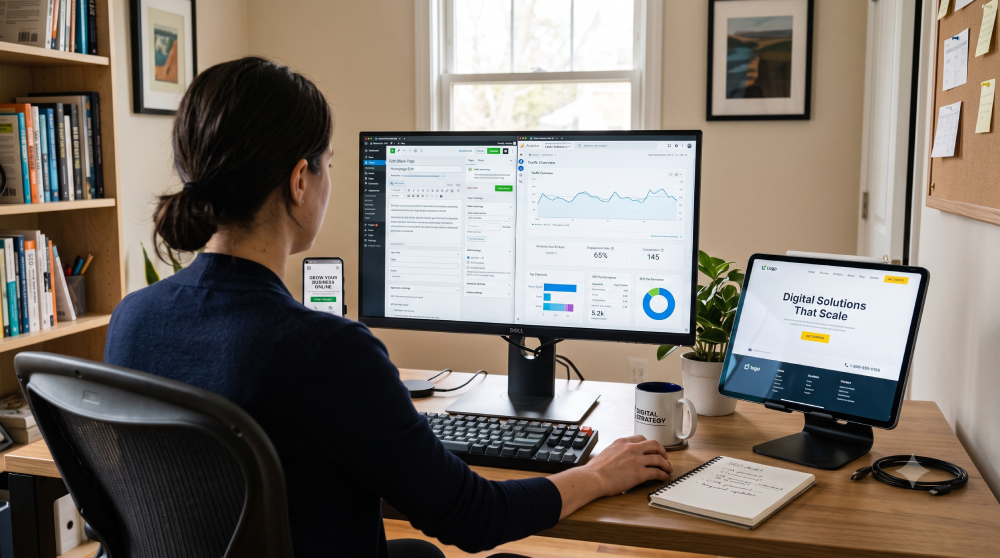
A business website is more than an online brochure. It should help visitors understand your business, trust you, find what they need, and take action. 1. Clear Navigation Visitors should quickly understand where to go. Keep the main navigation simple and use descriptive labels. 2. Mobile-Friendly Design Make sure layouts, buttons, menus, forms, and text work comfortably on smartphones and tablets. 3. Clear Service Information Explain what you offer, who it is for, the problems it solves, and what makes your approach useful. 4. Strong Calls to Action Use clear actions such as Contact Us, Request a Quote, Book a Consultation, or Get Started. 5. Easy Contact Options Provide the contact methods your customers actually use, such as forms, email, phone, or WhatsApp. 6. Fast Performance Compress images, remove unnecessary assets, optimize scripts, and use appropriate caching and hosting. 7. SEO-Friendly Structure Use logical headings, descriptive URLs, useful content, internal links, and optimized metadata. 8. Trust Signals Testimonials, reviews, case studies, portfolio work, and clear business information can reduce hesitation. 9. Website Security Use HTTPS, strong credentials, updates, backups, and appropriate security controls. 10. Easy Content Management A manageable CMS makes it easier to update services, blogs, images, and other content as your business grows. Conclusion A strong business website combines clear communication, usability, performance, security, SEO, and conversion-focused structure. Use these features as a practical checklist when planning or improving your website.
How Blogging Helps SEO: 8 Ways Blog Content Can Improve Your Google Rankings

Having a blog on your business website isn’t just about sharing company news or publishing articles. When planned properly, blogging can become an important part of your SEO strategy. Every useful blog post gives your website another opportunity to appear in search results, answer customer questions, attract visitors, and build connections between your content and service pages. Let’s look at how blogging can support SEO and help your business grow online. 1. Blogging Helps You Target More Keywords Your main service pages typically target your most important commercial keywords. For example, a web development business may target: WordPress development Website development services Website redesign Website maintenance But your potential customers search for many other related questions. A blog allows you to target long-tail and informational keywords such as: How much does a WordPress website cost? How do I choose a WordPress developer? Is WordPress better than Wix? How can I improve website speed? These searches can bring new visitors to your website. 2. Blog Posts Can Increase Organic Traffic Each useful article creates another potential entry point into your website. Someone may not search directly for your service page, but they may search for a question related to your service. For example, someone searching: “How to improve website speed” may discover your blog post about website performance. After reading the article, they may explore your website speed optimization or WordPress development services. This is how informational content can eventually contribute to business enquiries. 3. Blogging Helps Build Topical Authority Search engines need to understand what your website is about. Publishing useful content around related subjects can help demonstrate your expertise in a particular area. For example, if your website covers: WordPress development WordPress maintenance WordPress security Website speed Website redesign WordPress plugins Google can better understand that your website provides expertise around WordPress and website development. The important point is not simply publishing lots of articles. Your content should be useful, relevant, and connected to your main subject areas. 4. Blog Posts Create Internal Linking Opportunities One of the biggest SEO benefits of blogging is the ability to create relevant internal links. For example, an article about website costs can link to: WordPress development services Website redesign Website maintenance Related blog posts Contact page Similarly, an SEO article can link to your website speed article or other relevant SEO content. Internal links help visitors discover related information and help search engines understand the relationship between pages on your website. 5. Blogging Can Help You Answer Search Intent People search Google because they want an answer, solution, comparison, or recommendation. Your blog should match that intent. For example: Search: “WordPress vs Wix” Create a comparison article. Search: “WordPress website cost” Create a pricing guide. Search: “How to choose a WordPress developer” Create a hiring guide. When your content directly answers the question behind a search, it becomes more useful to the person searching. 6. Fresh Content Gives You More Opportunities to Be Discovered A website with only a few static pages has a limited number of opportunities to target different searches. A regularly maintained blog allows you to expand your content over time. However, don’t publish content simply because you want something new on your website. Focus on topics that are: Relevant to your audience Related to your services Useful to potential customers Based on genuine search questions Valuable enough to deserve attention Quality should always come before quantity. 7. Blogging Can Help Generate Leads SEO traffic is valuable, but traffic alone isn’t the final goal for a business website. You want relevant visitors to eventually become enquiries or customers. A good blog post can guide visitors toward the next step. For example: Blog post → Related service → Portfolio → Contact A visitor reading about website speed might discover that their own website has performance problems and then contact you for optimization services. This is why every business blog should have a clear conversion path. 8. Blog Content Can Be Repurposed One well-written blog post can support your entire content marketing strategy. You can turn an article into: LinkedIn posts Instagram carousels Facebook posts Email newsletters Short videos FAQs Social media tips For example, this article about blogging and SEO could become an Instagram carousel titled: “8 Ways Blogging Helps SEO.” This allows you to get more value from the content you already created. How to Write Blog Posts That Support SEO Creating a blog post isn’t enough. You should also optimize it properly. Before publishing, check: Choose a Relevant Keyword Identify what your audience is actually searching for. Write a Useful Title Make the topic immediately clear and compelling. Use Proper Headings Organize the content using H2 and H3 headings. Add Internal Links Connect the article with relevant service pages and other blog posts. Optimize Images Compress images and use descriptive alt text where appropriate. Write a Good Meta Description Create a clear description that explains what readers will find on the page. Make It Mobile Friendly Your content should be easy to read on smartphones and tablets. Improve Website Performance Slow-loading pages can create a poor user experience. How Long Does Blogging Take to Improve SEO? Blogging is a long-term SEO strategy. A new article doesn’t automatically rank immediately. Search performance can depend on factors such as: Competition Content quality Search intent Website authority Technical SEO Internal linking Backlinks Consistency Instead of expecting immediate results, build a useful collection of content around your core services and continue improving it over time. Common Blogging Mistakes That Can Hurt SEO Avoid these common mistakes: Writing only for search engines Keyword stuffing Publishing duplicate content Creating very thin articles Ignoring internal links Writing about unrelated topics Using clickbait titles Forgetting to update outdated information Publishing without a clear purpose A business blog should help your audience first. Final Thoughts Blogging can be a powerful part of your SEO strategy when it’s done with a clear purpose. Useful blog posts can help you target more keywords, attract organic traffic, build topical
Why Every Business Should Have a Blog

A website gives your business a place to showcase your services, but a blog can help bring new visitors to that website. Many business owners think blogging is only useful for news websites or personal blogs. In reality, a well-planned business blog can support SEO, build credibility, answer customer questions, and generate new leads. If you’re running a small or service-based business, here are some reasons why your website should have a blog. 1. A Blog Helps You Get Found on Google Your main website pages usually target important keywords related to your services. But there are hundreds of questions potential customers may search for before they decide to hire a business. For example, a WordPress developer could create articles about: How much a WordPress website costs How to choose a WordPress developer WordPress vs Wix How to improve website speed How to maintain a WordPress website Each useful article creates another opportunity for your website to appear in search results. 2. You Can Target More Keywords Your service pages should focus on your primary commercial keywords. Your blog gives you the opportunity to target related and long-tail keywords. For example: Service page: WordPress Website Development Blog topics: How Much Does a WordPress Website Cost? WordPress vs Wix Custom WordPress vs Page Builder How to Choose a WordPress Developer These articles can attract people at different stages of the buying journey. 3. Blogging Builds Trust People don’t always hire a business immediately after finding its website. They may want to understand your expertise first. Helpful blog content can demonstrate that you understand your industry and can solve real problems. Instead of simply saying: “We provide professional WordPress development.” You can demonstrate your knowledge by explaining how WordPress websites should be built, optimized, secured, and maintained. 4. Your Blog Can Answer Customer Questions Potential customers often have questions before contacting you. A blog lets you answer those questions before they become objections. For example: Question: How much does a website cost? Blog: How Much Does a WordPress Website Cost in 2026? Question: Do I need a website if I have Instagram? Blog: Website vs Social Media for Business: Which One Do You Really Need? When customers find useful answers on your website, they’re more likely to trust your business. 5. Blog Posts Can Bring Long-Term Traffic A social media post may receive most of its attention shortly after publishing. A useful blog article can continue attracting search traffic for months or even years. This doesn’t mean every article will automatically rank. Your content needs to be useful, relevant, technically optimized, and regularly reviewed. But a strong blog post can become a long-term traffic asset. 6. Blogging Supports Internal Linking Your blog also creates opportunities to connect different pages across your website. For example, a blog about website costs could link to: WordPress development services Website redesign services Website maintenance Related blog posts Portfolio Contact page This helps visitors discover more relevant information and creates a better-connected website structure. 7. Blogging Can Generate Leads Traffic alone isn’t the goal. The goal is to turn relevant visitors into potential customers. A business blog can generate leads by providing clear next steps such as: Contact forms Service links Free consultations Quote requests WhatsApp contact Relevant calls to action For example, someone reading about WordPress website costs may be ready to discuss their own website project. That’s a potential lead. 8. Blog Content Supports Different Stages of the Buying Journey Not everyone who visits your website is ready to hire you immediately. Your content can target different stages. Awareness The visitor is researching a problem. Example: Why Does My Website Load Slowly? Consideration The visitor is comparing solutions. Example: WordPress vs Wix: Which Platform Is Better? Decision The visitor is considering hiring someone. Example: How to Choose the Right WordPress Developer Creating content for each stage can help you build a stronger marketing funnel. 9. A Blog Gives You More Content to Share A single blog post can be reused across your marketing channels. For example, one article can become: LinkedIn post Instagram carousel Facebook post Email newsletter Short video topic FAQ content This makes your content marketing more efficient. Instead of creating completely different content for every platform, start with a useful article and repurpose it. 10. Blogging Helps Establish Industry Expertise Consistently publishing useful content can strengthen your online authority. You don’t need to publish every day. It’s better to publish fewer high-quality articles that genuinely answer your audience’s questions than to publish large amounts of repetitive content. Focus on topics that are: Relevant to your services Useful to your target audience Based on real customer questions Connected to your business goals What Should a Business Blog About? Don’t write about random topics just to publish something. Start with questions your customers frequently ask. For a website development business, topics could include: Website development WordPress Website design Website speed SEO Website maintenance Website security Website costs Website redesign Online marketing Your blog should support your business—not distract from it. How Often Should a Business Publish Blog Posts? There is no universal number of posts you need to publish every month. A realistic schedule might be: 1–2 high-quality posts per week The most important factors are: Quality Relevance Search intent Original value Consistency Internal linking Publishing consistently over time is more useful than publishing dozens of low-quality articles at once. Final Thoughts A business blog can do much more than fill the “Blog” section of your website. When planned correctly, it can help you attract search traffic, answer customer questions, demonstrate expertise, strengthen internal linking, and generate new leads. The key is to create content based on what your potential customers actually want to know. Start with useful questions, connect your articles to your services, and focus on helping your audience—not simply producing content for search engines.
Local SEO Tips for Service-Based Businesses

If you run a service-based business, being visible to customers in your local area can make a significant difference to your growth. Whether you are a web developer, accountant, consultant, photographer, lawyer, salon owner, or another local service provider, potential customers often search Google before contacting a business. This is where Local SEO can help. Local SEO is the process of improving your online presence so your business can appear in relevant searches from people in your target location. What Is Local SEO? Local SEO focuses on improving your visibility for searches related to a specific location. For example, someone might search: Web developer in Ahmedabad Accountant near me Website designer in Ahmedabad Digital marketing agency near me The goal is to make your business easier to discover when potential customers are searching for your services locally. Why Local SEO Matters for Service Businesses Service-based businesses often depend on customers from a specific city, region, or service area. Local SEO can help you: Reach nearby potential customers Increase website traffic Generate local enquiries Improve online visibility Build trust with local customers Compete with other businesses in your area A strong local presence can bring more relevant visitors than simply targeting broad keywords. 1. Create and Optimize Your Google Business Profile A Google Business Profile is one of the most important tools for local businesses. Make sure your profile contains accurate and up-to-date information, including: Business name Address or service area Phone number Website Business category Opening hours Business description Photos Keep your information consistent with your website and other online profiles. 2. Use Location-Based Keywords If you serve a particular location, include it naturally in relevant areas of your website. For example: Instead of: WordPress development services You could use: WordPress development services in Ahmedabad You can naturally use location-based keywords in: Page titles Headings Service pages Meta descriptions Website content Blog posts Avoid repeating the location unnaturally throughout every paragraph. 3. Create Location-Specific Service Pages If you serve multiple locations, consider creating useful location-specific pages. For example: WordPress Developer in Ahmedabad WordPress Developer in Surat WordPress Developer in Vadodara However, don’t simply duplicate the same page and change the city name. Each location page should provide genuinely useful, location-specific information. 4. Optimize Your Website for Mobile Many local searches happen on smartphones. Your website should be easy to use on smaller screens. Check that: Text is readable Buttons are easy to tap Navigation works properly Contact forms work on mobile Pages load quickly A poor mobile experience can cause potential customers to leave before contacting you. 5. Keep Your Business Information Consistent Your business information should be consistent across your website and online profiles. Pay particular attention to: Name + Address + Phone Number (NAP) Inconsistent information can create confusion for both customers and search engines. 6. Get Genuine Customer Reviews Reviews can help establish trust with potential customers. Encourage satisfied customers to leave honest feedback about their experience. Don’t buy fake reviews or create reviews yourself. Instead, make it easy for genuine customers to share their experience. You can request reviews after successfully completing a project or providing a service. 7. Create Useful Local Content Blogging can support your local SEO strategy. Instead of writing only generic articles, create content that answers questions from customers in your target area. For example: How to Choose a WordPress Developer in Ahmedabad Website Cost for Small Businesses in Ahmedabad Website Design Tips for Local Businesses Local SEO Tips for Ahmedabad Businesses This type of content can attract people who are already interested in your services. 8. Add Your Location Naturally to Your Website If your business serves a particular area, make it clear on your website. You can mention your service area on: Homepage About page Service pages Contact page Footer Make sure the information is natural and genuinely useful rather than adding location keywords simply for SEO. 9. Build Relevant Local Links Links from relevant websites can help strengthen your online presence. Potential sources include: Local business directories Industry associations Local publications Business communities Relevant partnerships Focus on quality and relevance rather than trying to collect as many links as possible. 10. Optimize Your Contact Page Your contact page is especially important for service businesses. Make it easy for visitors to contact you by providing: Contact form Phone number Email address Service area Business hours where relevant Google Maps location when applicable A visitor who finds you through Google should be able to contact you quickly. Common Local SEO Mistakes to Avoid Avoid these common mistakes: Using fake business information Buying reviews Keyword stuffing Creating duplicate location pages Ignoring mobile optimization Having inconsistent contact information Creating low-quality directory listings Publishing location pages with little useful content Local SEO is about building a trustworthy and useful online presence—not manipulating search results. How Long Does Local SEO Take? Local SEO is a long-term strategy. Results vary depending on: Your location Competition Industry Website quality Existing online presence Reviews and reputation Content and optimization Some businesses may see improvements within a few months, while competitive markets can take longer. Consistency is more important than expecting immediate results. Local SEO Checklist Before considering your local SEO setup complete, check: Google Business Profile is claimed and accurate Business information is consistent Website is mobile-friendly Service pages are optimized Location is clearly communicated Relevant local keywords are used naturally Customers can easily contact you Genuine reviews are encouraged Local content is published regularly Website performance is monitored Final Thoughts Local SEO can help service-based businesses reach customers who are actively looking for their services in a specific area. Start with the fundamentals: optimize your Google Business Profile, create useful website content, maintain consistent business information, improve your mobile experience, and make it easy for customers to contact you. You don’t need to implement everything at once. Start with the basics and build your local SEO strategy over time.
On-Page SEO Checklist for WordPress: 15 Things to Optimize

Having a WordPress website is only the first step toward getting found on Google. To attract organic traffic, each important page needs to be properly optimized for both search engines and visitors. On-page SEO involves optimizing the content, structure, images, links, and other elements directly on your website. If you’re using WordPress, this checklist will help you make sure your pages are properly optimized. 1. Choose a Primary Keyword Before writing a page or blog post, identify one primary keyword that matches what your target audience is searching for. For example, if you offer WordPress development services in Ahmedabad, your target keyword might be: WordPress developer in Ahmedabad Use your primary keyword naturally throughout the page rather than repeating it excessively. 2. Optimize Your SEO Title Your SEO title tells both Google and users what your page is about. Try to: Include your primary keyword Keep the title clear and relevant Make it attractive to searchers Avoid unnecessary keyword repetition For example: WordPress Developer in Ahmedabad | Custom WordPress Services 3. Write a Useful Meta Description A meta description summarizes your page in search results. A good meta description should: Clearly explain the page Include the primary keyword naturally Encourage users to click Accurately represent the content Avoid writing a generic description that could apply to every page on your website. 4. Use a Clear Heading Structure Headings make your content easier to read and help search engines understand its structure. Use: H1 for the main page title H2 for major sections H3 for supporting sections For example: H1: WordPress Website Development H2: Why Choose WordPress? H2: Our WordPress Development Services H3: Custom WordPress Development Keep your heading structure logical and don’t use headings simply to make text appear larger. 5. Create Helpful, Original Content SEO isn’t just about keywords. Your content should answer the questions your audience actually has. For business websites, useful content could include: Service explanations Pricing information FAQs Guides Comparisons Case studies Industry-specific advice Focus on providing genuine value instead of writing content purely for search engines. 6. Optimize Your URL Keep your URLs short, descriptive, and easy to understand. For example: Good: /wordpress-website-development/ Less useful: /page?id=123&category=website If possible, include your primary keyword in the URL. 7. Optimize Your Images Images can improve the user experience, but large image files can slow down your website. Before uploading images: Compress them Use appropriate dimensions Choose modern formats such as WebP when suitable Use descriptive file names For example: Good: wordpress-website-development.jpg Avoid: IMG_12345.jpg 8. Add Descriptive Alt Text Alt text helps describe images to users who cannot see them and provides additional context about the image. For example: Good alt text: WordPress website development dashboard Avoid stuffing keywords into every image’s alt text. Only describe what the image actually shows. 9. Add Internal Links Internal links connect one page on your website to another. They help visitors discover related content and make it easier for search engines to understand the relationship between your pages. For example, this article can link to your guide: Beginner’s Guide to SEO for Small Businesses You can also link relevant blog posts to: WordPress development services Website redesign services Website maintenance Portfolio Contact page 10. Use External Links When Helpful External links can provide additional context or supporting information. For example, when explaining WordPress features, you can reference reliable sources such as official WordPress documentation. Don’t add external links simply to increase the number of links. Only use them when they genuinely help the reader. 11. Make Your Website Mobile Friendly Your website should provide a good experience on: Smartphones Tablets Laptops Desktop computers Check that text is readable, buttons are easy to tap, images fit the screen, and navigation works properly on smaller devices. A responsive website is essential for modern SEO and user experience. 12. Improve Website Speed Page performance affects the experience visitors have on your website. Common ways to improve WordPress performance include: Compressing images Removing unnecessary plugins Using caching Optimizing CSS and JavaScript Choosing reliable hosting Keeping WordPress updated You can also check your performance using tools such as Google PageSpeed Insights. For more information, read our article How Website Speed Affects SEO and Sales. 13. Optimize Your Content for Readability Even well-optimized content won’t perform well if visitors don’t want to read it. Improve readability by using: Short paragraphs Bullet points Clear headings Simple language Relevant examples Adequate spacing Write for people first and search engines second. 14. Add Relevant FAQs Frequently asked questions can help address common concerns before a visitor contacts you. For example, a WordPress development service page could answer: How much does a WordPress website cost? How long does WordPress development take? Can you redesign an existing website? Do you provide WordPress maintenance? Make sure your FAQs are genuinely useful and relevant to the page. 15. Review Your Page Before Publishing Before publishing any WordPress page or blog post, run through this quick checklist: Primary keyword selected SEO title optimized Meta description written Clear H1 added H2/H3 headings organized Helpful content written URL optimized Images compressed Alt text added where appropriate Internal links added Relevant external links added Mobile layout checked Page speed reviewed Spelling and grammar checked Call-to-action added How Rank Math Can Help If you’re using WordPress, an SEO plugin such as Rank Math can make on-page optimization easier. Rank Math can help you manage elements such as: SEO titles Meta descriptions Focus keywords XML sitemaps Schema markup Social sharing information Basic on-page SEO checks However, an SEO score alone doesn’t guarantee rankings. Your content still needs to be useful, relevant, technically sound, and written for your audience. Final Thoughts On-page SEO doesn’t need to be complicated. By optimizing your titles, headings, URLs, content, images, internal links, mobile experience, and website performance, you can create pages that are easier for both users and search engines to understand. Use this checklist whenever you publish a new WordPress page or blog post, and make SEO optimization part of your regular website workflow.
Beginner’s Guide to SEO for Small Businesses

If you own a small business, you’ve probably heard about SEO. But what exactly is it, and why does it matter? SEO (Search Engine Optimization) is the process of improving your website so that it appears higher in search engine results when potential customers search for products or services related to your business. The higher your website ranks, the more visibility, traffic, and potential leads you can generate. What Is SEO? SEO helps search engines understand your website and its content. When someone searches on Google, search engines look for the most relevant and trustworthy pages to display. SEO helps your website become one of those pages. Why Is SEO Important for Small Businesses? Many customers search online before making a purchase decision. SEO helps your business: Increase website traffic Generate qualified leads Build trust and credibility Improve brand visibility Compete with larger businesses Unlike paid advertising, SEO can continue bringing traffic long after content is published. The Main Types of SEO 1. On-Page SEO On-page SEO refers to optimizing content on your website. This includes: Page titles Meta descriptions Headings Internal links Images Content quality 2. Technical SEO Technical SEO focuses on website performance and structure. Examples include: Website speed Mobile responsiveness Secure HTTPS connection XML sitemaps Crawlability 3. Local SEO Local SEO helps businesses appear in location-based searches. For example: “WordPress developer in Ahmedabad” “Website designer near me” Local SEO is especially important for service-based businesses. Basic SEO Tips for Beginners Create High-Quality Content Publish helpful content that answers your customers’ questions. Blog posts, guides, and FAQs are excellent ways to attract organic traffic. Use Relevant Keywords Research the terms your audience searches for and naturally include them in your content. Avoid keyword stuffing. Optimize Page Titles Each page should have a unique title that includes your primary keyword. Example: WordPress Website Development Services | BuildWithUrvisha Write Meta Descriptions Meta descriptions encourage users to click your result in Google. Keep them clear, concise, and relevant. Improve Website Speed Fast websites provide a better user experience and can help improve rankings. Learn more in our guide on How Website Speed Affects SEO and Sales. Make Your Website Mobile Friendly Most users browse websites on mobile devices. A responsive website improves usability and SEO performance. Common SEO Mistakes to Avoid Many beginners make these mistakes: Ignoring keyword research Publishing thin content Not optimizing images Using duplicate content Neglecting internal links Forgetting mobile optimization Avoiding these issues can significantly improve your results. How Long Does SEO Take? SEO is a long-term strategy. Most businesses start seeing improvements within a few months, but significant results often take longer depending on competition and website quality. Consistency is key. Final Thoughts SEO is one of the most effective ways to grow your online presence and attract potential customers. By creating valuable content, optimizing your website, and focusing on user experience, your business can improve visibility and generate more leads over time. Start with the basics, stay consistent, and continue improving your website as your business grows.
Website Maintenance: Why Your Website Needs It

Launching your website is just the beginning. Many business owners assume that once a website goes live, it will continue running smoothly forever. Unfortunately, that’s not how websites work. Like any digital asset, Websites require regular maintenance to remain secure, fast, and reliable. Ignoring maintenance can lead to security vulnerabilities, poor performance, and even website downtime. Let’s explore why Website maintenance is essential for every business website. What Is Website Maintenance? Website maintenance refers to the ongoing tasks required to keep your website healthy and up to date. These tasks include: Updating Core Updating Themes and Plugins Website Backups Security Monitoring Performance Optimization Fixing Broken Links Uptime Monitoring Database Cleanup Spam Removal Regular maintenance ensures your website continues to perform at its best. Why Is Website Maintenance Important? 1. Improves Website Security Outdated plugins and themes are among the most common causes of hacked WordPress websites. Keeping your website updated helps protect it from: Malware Brute-force attacks Security vulnerabilities Unauthorized access A secure website protects both your business and your customers. 2. Keeps Your Website Fast Over time, websites accumulate unnecessary data, revisions, and unused plugins. Regular maintenance helps: Improve loading times Optimize databases Reduce server load Enhance user experience A faster website can also positively impact your SEO rankings. 3. Prevents Downtime Website downtime can result in: Lost leads Reduced sales Poor user experience Damage to your reputation Monitoring your website helps identify issues before they affect your visitors. 4. Ensures Plugin Compatibility WordPress frequently releases updates, and plugin developers regularly update their products. Without maintenance, plugin conflicts can cause: Broken layouts Missing functionality Error messages Website crashes Regular updates ensure everything continues working together. 5. Improves SEO Performance Google prefers websites that are: Fast Secure Mobile-friendly Error-free Maintaining your website helps preserve your search engine rankings and provides a better experience for visitors. How Often Should You Maintain Your Website? Here is a recommended schedule: Weekly Check for plugin updates Review website forms Monitor uptime Monthly Perform backups Optimize the database Review website performance Quarterly Conduct a full website audit Check SEO health Test all functionality Signs Your Website Needs Maintenance You may need immediate maintenance if: Your website loads slowly. Visitors report errors. Plugins haven’t been updated in months. Your SSL certificate has expired. You’re seeing spam comments. Your website hasn’t been backed up recently. Final Thoughts Your website is an investment in your business, and like any investment, it requires ongoing care. Regular Website maintenance helps improve security, performance, SEO, and reliability while giving you peace of mind. Instead of waiting for something to break, take a proactive approach and keep your website running smoothly throughout the year.
How to Choose the Right Web Developer for Your Business

Hiring the right WordPress developer can make the difference between a website that helps your business grow and one that causes constant frustration. With so many freelancers and agencies offering WordPress services, it can be difficult to know who to trust. Here are some important factors to consider before making your decision. 1. Check Their Experience Experience matters when it comes to website development. Look for a developer who has worked on: Business websites WooCommerce stores Custom WordPress themes Elementor websites Website optimization projects A developer with a diverse portfolio is more likely to understand your specific requirements. 2. Review Their Portfolio Always ask to see previous work. A good portfolio should demonstrate: Clean design Mobile responsiveness Fast loading speeds Different types of projects Attention to detail Reviewing past projects gives you an idea of the developer’s capabilities and style. 3. Understand Their Technical Skills Your WordPress developer should be comfortable with: WordPress PHP HTML, CSS, and JavaScript WooCommerce Elementor Advanced Custom Fields (ACF) API Integrations Website Security SEO Best Practices These skills ensure they can handle both current and future requirements. 4. Ask About SEO Knowledge A beautiful website is only useful if people can find it. Ask whether the developer understands: On-page SEO Core Web Vitals Website speed optimization Mobile responsiveness Schema markup SEO plugins like Rank Math SEO-friendly development can improve your visibility on Google. 5. Discuss Website Maintenance Websites require ongoing maintenance. Before hiring, ask: Do you provide support after launch? How are backups handled? Are updates included? What happens if something breaks? Having a maintenance plan can save time and prevent issues in the future. 6. Evaluate Communication Clear communication is essential for successful projects. Choose someone who: Responds promptly Explains technical concepts clearly Provides regular updates Understands your business goals Good communication often leads to smoother project delivery. 7. Read Client Testimonials Testimonials provide valuable insight into a developer’s reliability and professionalism. Look for comments about: Timely delivery Quality of work Communication Problem-solving abilities Ongoing support Positive feedback from previous clients can help build confidence in your decision. 8. Don’t Choose Based on Price Alone The cheapest option isn’t always the best. Instead, consider: Experience Quality Support Scalability Long-term value A professionally built website is an investment in your business. Final Thoughts Choosing the right WordPress developer is about finding someone who understands your business goals and can build a website that supports them. Take the time to review portfolios, ask questions, and evaluate experience before making your decision. The right developer won’t just build a website—they’ll help create an online presence that grows with your business.